
Avoiding plastic in everyday life: how small steps can make a big difference
Damn it, it really is everywhere, isn't it? Microplastics. Each of us contributes every day, consciously or not. Take laundry: every time we wash clothes containing synthetic fibres, tiny particles are released into the wastewater and end up in rivers, lakes and oceans. They harm marine ecosystems, enter the food chain, and eventually reach our bodies.
Fortunately there are plenty of alternatives that help reduce or eliminate plastic. At Pack & Smooch we made a deliberate decision against plastic and work with natural materials instead. Here is how you can avoid plastic in daily life.
Why plastic is a problem
Plastic may be convenient and cheap, but the environment pays a high price. Millions of tonnes of plastic waste enter the oceans every year, endangering marine life and destroying ecosystems. Because plastic breaks down so slowly, it lingers in nature for centuries. Production also releases harmful chemicals. Microplastics, formed as larger pieces disintegrate, are a growing danger because they enter the food chain.
"Every washing machine cycle with synthetic fibres contributes. Tiny fibres break loose and end up in the ocean, and eventually in our food. We all need to realise this." – Matthias Burkert, CEO of Pack & Smooch
Six ways to avoid plastic
1. Reusable shopping bags. Skip single-use bags and switch to cloth totes or baskets. Durable and reusable.
2. Glass or stainless steel bottles. Single-use plastic bottles are bad for the environment and expensive. A reusable bottle saves waste and keeps water fresher.
3. Beeswax wraps instead of cling film. For covering food, beeswax wraps are a good alternative to plastic film. Sustainable and reusable.
4. Zero-waste shops. More and more shops sell groceries and household products without plastic packaging. Bring your own containers.
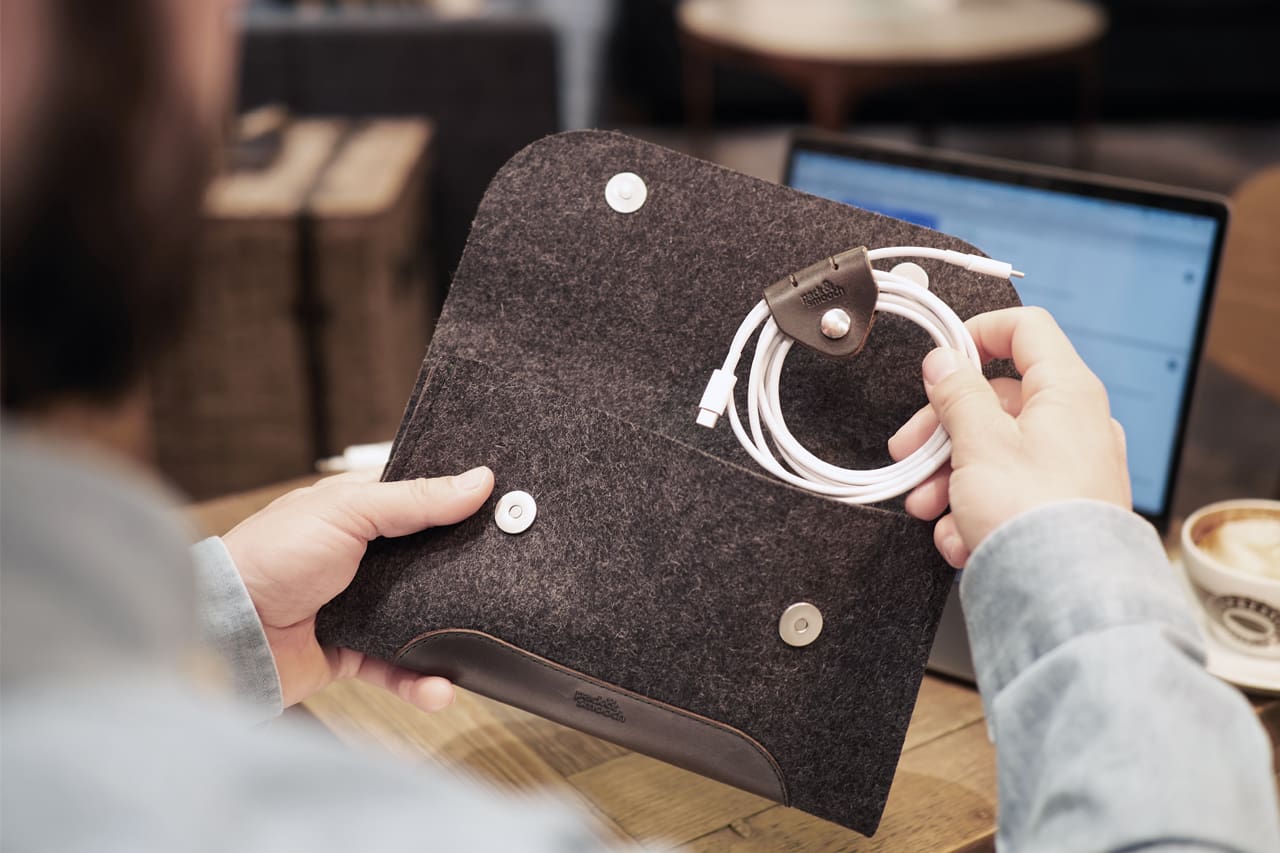
5. Natural fibres instead of synthetics. For clothing, bags and accessories it pays to choose natural materials such as cotton, wool or wool felt. Synthetics are usually plastic-based and shed microplastics in the wash.
A warning, because this is where people get misled: most felt is plastic. Anyone selling real felt calls it wool felt or states that it is a natural material. Price is a clear indicator: a genuine natural material like merino wool felt cannot be sold at a bargain price. Textile labelling on the product settles the question.
6. Solid soap and shampoo bars. Liquid soaps usually come in plastic bottles. Bars come in paper or without packaging at all.
Our approach: sustainability without plastic
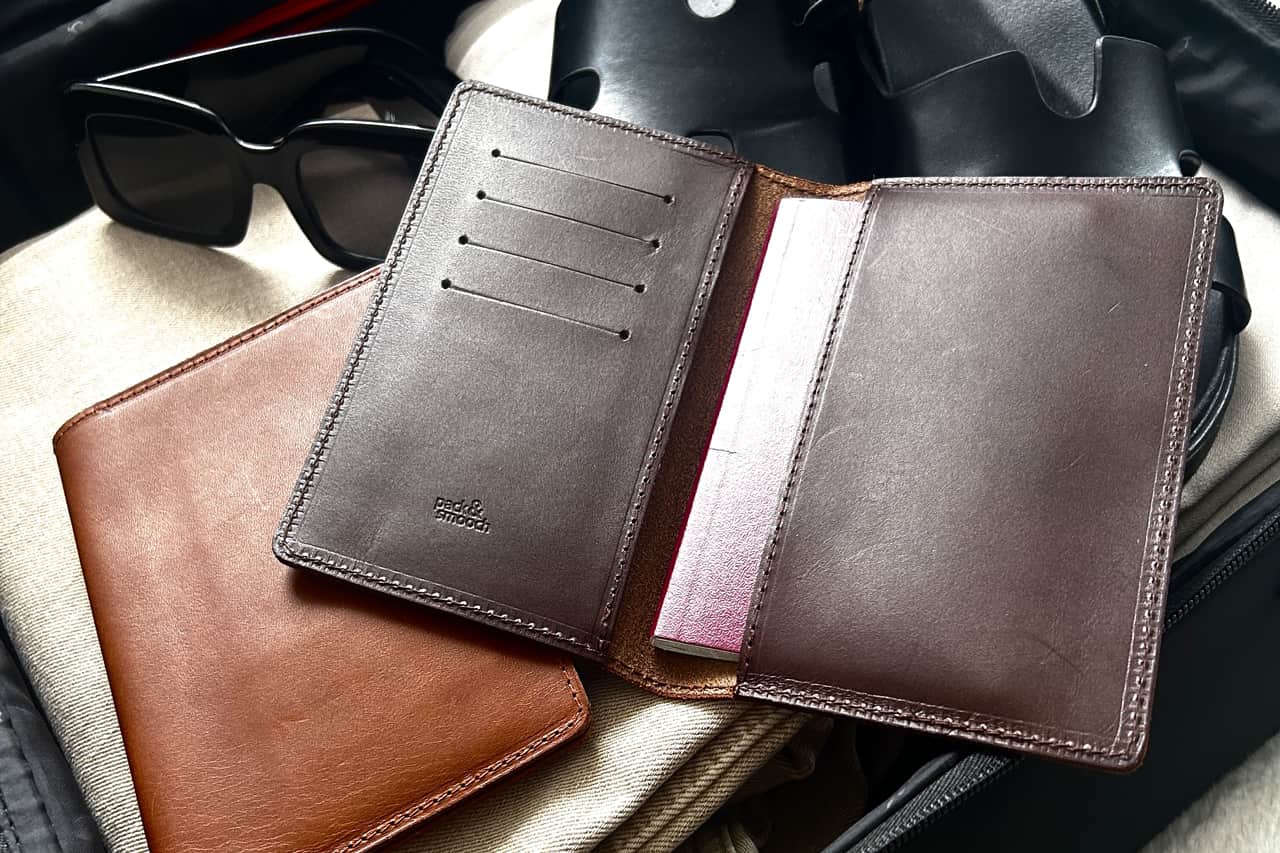
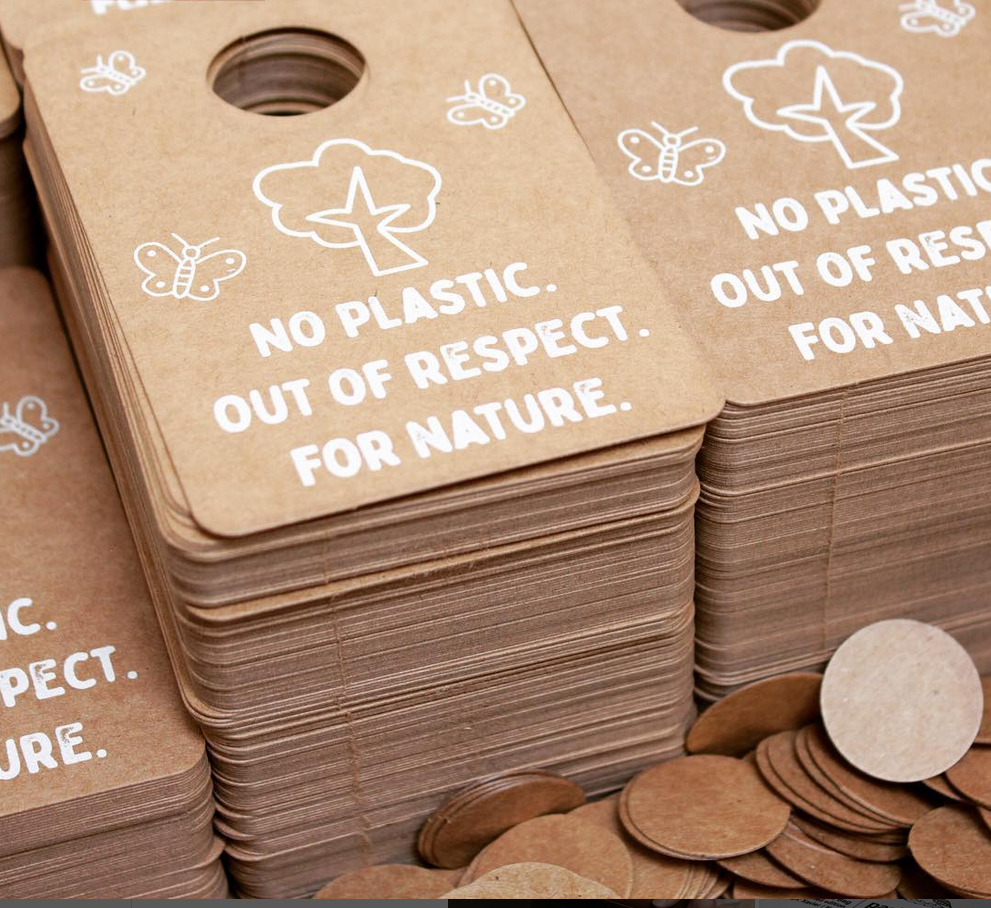
At Pack & Smooch we decided on plastic-free production. Our products are made from mulesing-free merino wool felt and vegetable-tanned leather from Tuscany. Both are durable and environmentally sound. Our packaging is recyclable and biodegradable too.
"From day one we wanted to take a stand, not just with our products but with the way we make them. Plastic is not an option for us. There is always an alternative if you really want one." – Matthias Burkert, founder of Pack & Smooch
But what about the exceptions?
We are honest: we are not perfect yet. Some products still use metal snaps and recycled thread. We keep looking for better alternatives there too. Real sustainability is a path, not a state.
What you can do
Every one of us can do something about plastic consumption. Choosing plastic-free alternatives helps drive the change.
If you want to see what that looks like on a concrete product: our MacBook sleeves and bags and iPad sleeves come without neoprene, without faux leather and without plastic packaging. Why our wool stood in the Museum für Kunst und Gewerbe in 2015 is a story of its own.